Coarse particles
What it is
Particles between 2.5 and 10 µm (micrometers, millionths of a meter): dust, road grit, soil, bits of pollen. Counted by taking everything under 10 µm and subtracting the fine particles, so this number is the coarse part alone.
How it affects breathing
- Evidence. Weak for asthma. Coarse particles land in the nose, throat and the big airways rather than the deep lung, so they irritate more than they trigger, and the EPA rates the evidence for sudden breathing effects as suggestive, not established. The diary does not grade this number.
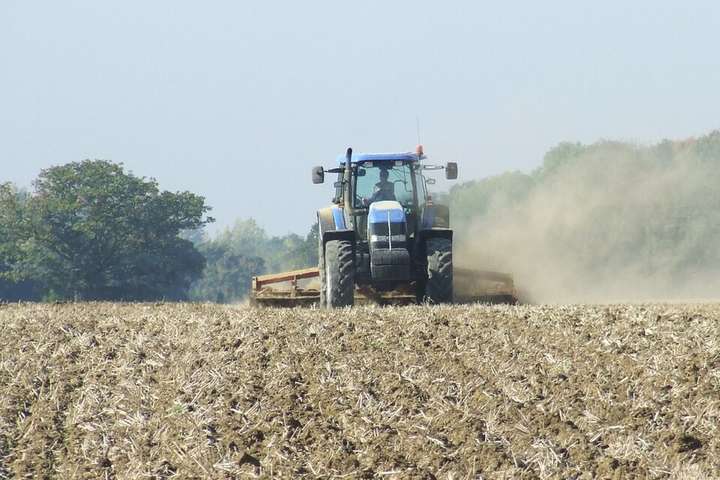
- How likely. A read on how gritty the air is to be out in, a cough and a scratchy throat more than tightness. It climbs on dust-storm days, beside construction and on dry windy days, and settles out within hours of the wind dropping.
- What helps. Particles are what a filter catches, so an N95 mask outdoors and a HEPA air cleaner indoors both cut the dose a lot, and moving hard exercise indoors cuts it more. A rescue inhaler opens airways the particles have tightened; it does not remove them.
How Breathing Index measures it
Your Breathing Index shows the average of the last 24 hours of the coarse part, the same span as fine particles, since the two are measured by the same instruments over the same day; it does not grade this number.
Where the number comes from
- A monitor when one is within about 50 miles: an instrument run by your state environmental agency, published through the EPA’s AirNow.
- Otherwise a model: a computer estimate of the air from satellites, weather and emissions data on a 45-kilometer (28-mile) grid. A model is a prediction, not a measurement, and it can miss a plume a monitor would catch.