Grass pollen
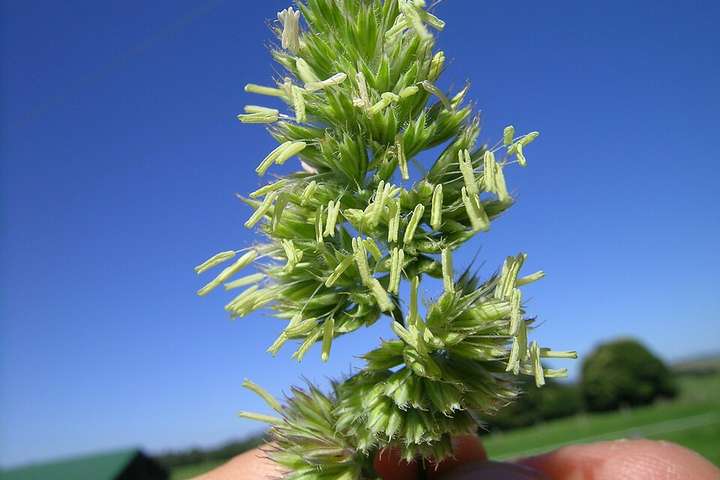
What it is
Grass pollen on a 0–5 scale.
How it affects breathing
- Evidence. Seen in emergency-room studies: the only pollen with a firm asthma signal, and it builds over three days.
- How likely. Late spring into summer, and only for people sensitized to grass pollen, which most people with allergic asthma are. A thunderstorm in grass season is the rare case where it hits people with no asthma diagnosis at all, because the storm breaks pollen into pieces small enough to reach the lungs.
- What helps. A daily antihistamine or steroid nose spray started before the season, a daily controller inhaler kept up through it, windows shut and a shower after time outdoors on high days. Allergy shots are the one treatment that changes the allergy itself rather than the symptoms. Mowing, and standing near mowing, is the one exposure worth skipping outright.
How Breathing Index measures it
Your Breathing Index uses the highest of the last three days, since the emergency-room studies find the effect builds over about three days of exposure, and a same-day number under-counts it.
Where the number comes from
Estimated by Google’s pollen model from land cover and weather, not counted with an instrument. A season calendar fills in where the model is silent, and says so.