SO₂
What it is
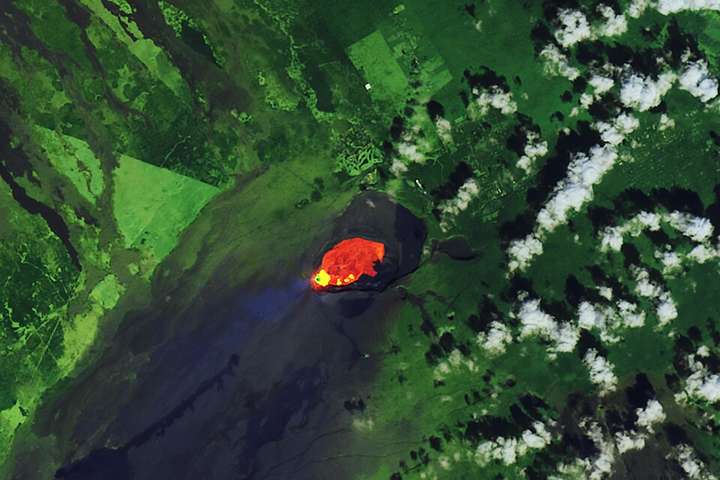
Sulfur dioxide (SO₂), a gas from coal, refineries, ships and volcanoes. Usually near zero away from those sources.
How it affects breathing
- Evidence. Shown in lab studies: people with asthma who are exercising tighten up within minutes at levels healthy lungs ignore. The best-proven sudden trigger there is, and in most of the US the rarest.
- How likely. Rarely since the coal plants closed, except downwind of a refinery, a busy port, or a volcano.
- What helps. The tightening reverses within minutes on a rescue inhaler, and on its own once the air clears. Breathing through the nose absorbs most of the gas before it reaches the lungs, which is why it hits people who are exercising. A daily controller inhaler blunts the response.
How Breathing Index measures it
Your Breathing Index takes the hour itself, since the reaction comes within minutes and is over soon after the air clears; there is no cumulative effect to take into account. It appears only when the gas is present.
Where the number comes from
- A monitor when one is within about 50 miles: an instrument run by your state environmental agency, published through the EPA’s AirNow.
- Otherwise a model: a computer estimate of the air from satellites, weather and emissions data on a 45-kilometer (28-mile) grid. A model is a prediction, not a measurement, and it can miss a plume a monitor would catch. Not every monitor measures SO₂; the line under the table says when none nearby does.